Mumbai 6 August : The equity market and interest rates share an inverted relationship, however this time it’s proven not to be true because regardless of the Reserve Bank of India (RBI) raised repo rates by 50 basis point, the equity markets has risen.This isn’t the first time that the dynamic has changed but in the past 15 years, there have been only three instances where the equity markets had negative returns in the course of the rate hikes by the RBI.
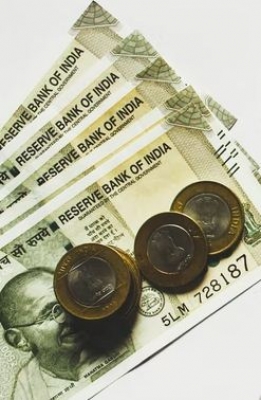
According to Dr.V.K.Vijayakumar Chief Investment Strategist of Geojit Financial Services, during 2003-2008 from 2003 to 2008, the Fed increased rates by 17 percent in consecutive years.However, in spite of this massive tightening of monetary policy that occurred, equity markets surged across the globe.
In India during that time we saw the most powerful of the bull markets, which saw the Sensex climbing from under 3000 in 2003 to 20000 by the end of December 2007 he stated.
In the same time frame, India experienced record high growth in GDP and corporate earnings in spite of RBI tightening rates.
In the last few days, the Indian equity markets have seen a significant rise following foreign investors return to Indian market on the back of the weak dollar index and increased corporate earnings.
The mood of foreign investors were also uplifted after US data showed a contraction in economic activity for the second time in a row.month.This has raised hopes that the US Fed would not announce an with a frenzied rate hike.
Foreign investors became buyers in July, almost after 10 months with the purchase of approximately 498 crore rupees in the Indian equity markets.
This is accompanied by a massive selling by these entities of approximately 50,203 crore.
According to NSDL data, the investment of foreign investors in July was 489 crore, contrasted to more than the 50,000 crore in outflows in June and a total of in the amount of Rs 39,993 crore in May, and 17144 crore in April.
“There is an utter change of FPIs actions in the Indian market for stocks.FPIs who were constant sellers in Indian market between October 2021 and June 2022, turned net buyers in July, and purchasing continues in August, thus far,” Vijayakumar added.
Since the 26th of July the Sensex has increased nearly 3000 points higher in the past week to 58,387.93 and Nifty increases by over 1000 points.In the same time more than 10,000 crore worth of stocks were bought by foreign investors.
On Friday the monetary policy commission (MPC) of RBI has unanimously voted to increase the repo rate for policy by 50 basis point to 5.40 percent.Therefore the Standing Deposit Facility (SDF) rate was lowered to 5.15 percent and the Marginal Standing Facility (MSF) rate as well as the Bank Rate were adjusted to 5.65 percent.
It is the third consecutive rate increase that the central bank has made in this year’s cycle following an increase of 40 basis points in May and 50 basis point hike in June.With this hike the RBI has increased the rate by 140 basis points in May of this year.
Sneha Poddar, AVP, Reserve, Broking & Distribution, Motilal Oswal Financial Services said that the interest rates don’t affect all industries in the same way.While there are certain industries that are more susceptible to being hurt while, on the other hand there are certain sectors that are benefited by the effects of it, such as banking.Thus, debt-laden companies tend to gamble out of the market, while investors shift to more stable businesses.
In the coming months, the equity market is expected to rise with the rise in interest rates.”We believe that the trend will continue because of solid macro data steady earnings, steady earnings, a slowing of commodity prices , and positive growth in monsoon help to boost the Indian economic growth,” Poddar added.
The experts believe India is predicted to be one of the fastest-growing economies in the world.
And with inflation, which appears to be easing, RBI may not be as aggressive in rates hikes that are going to go on.
The Poddar added that with capacity utilization in manufacturing exceeding the long-term average and an increase in new orders in Q2FY23 this will result in a higher requirement for capex.This, along with the upcoming holiday season will boost economic growth.
On the contrary, FIIs seem to be making a comeback which could further boost the market.
manish/
.