New York, Aug 15 : Rapid climate change and pollution, as well as changes to landscapes and the growing urbanisation caused by human activities throughout the years have impacted the most robust species in the Earth’s ecosystems, according to the results of a study.Researchers from Stanford University have discovered that the small mammal communities of the Anthropocene are less diverse and more organized than even several centuries ago, in the Holocene (around 500 years back) which shows the magnitude of the impact of humans’ activities on ecosystems.
Anthropocene is an informally recognized measurement of geological time.It can be defined as the period in Earth’s past (from the 1950s until today) when human activities began to have an impact on the ecosystems of the planet and climate.
This is affecting natural ecosystems and is threatening biodiversity, such as through rapidly expanding urbanization, the team said in the paper that was published in Frontiers in Ecology and Evolution.
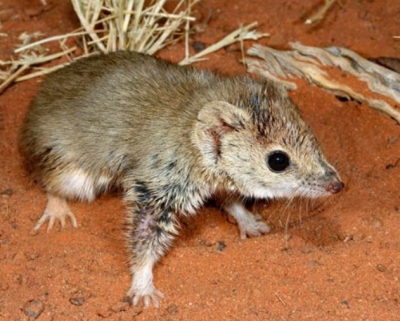
To better understand the effects of altering the land The team focused on small mammals such as shrews and rats that are essential to terrestrial ecosystems.
Due to their abundance in population and their small geographical ranges, and the specificity of their habitat Small mammals are quick to respond to changes in the use of land, habitat and climate, which makes them excellent indicator of the ecosystem’s health.
Also, they have a lower rate of extinction due to their fertility and abundance as well as their high growth rate.
They have also maintained their taxonomy stability for many thousands of years.
The team looked at the thousands of tiny mammal bones as well as teeth from the modern (Anthropocene) pellets of raptors, as well as three (Holocene) archaeological sites along the gradient which represent the different stages of human evolution today.
The results revealed “small mammal diversity declined with the increase in human modification today, said Dr.Viteri, of Stanford University.
The diversity of species and evenness has decreased across modern sites, based on the degree of the human influence.
“Second the general composition of today’s small mammal populations is fundamentally different from past communities even 500 years ago.”
This is a sign that human activities have had a negative impact on even the most robust species in the Earth’s ecosystems.
But, the findings suggest that even a tiny, protected area can at a minimum, preserve native fauna communities,” Viteri said.
Conservationists have for a long time argued about how big protected areas should be in order to prevent loss of species in an increasingly human-influenced world.Numerous studies have demonstrated that reserves with larger areas perform better in terms of protecting biodiversity.
This study demonstrates the significance of smaller protected areas in urban areas where large areas for conservation aren’t available.
rvt/pgh