
After a day of strike and political bickering between the BRS and the BJP, Telangana Governor Tamilisai Soundararajan on Sunday, 6 August, granted her approval for the introduction of the Telangana State Road Transport Corporation (Absorption of Employees into Government Service) Bill 2023 in the Telangana State Legislative Assembly with certain recommendations to the state government.
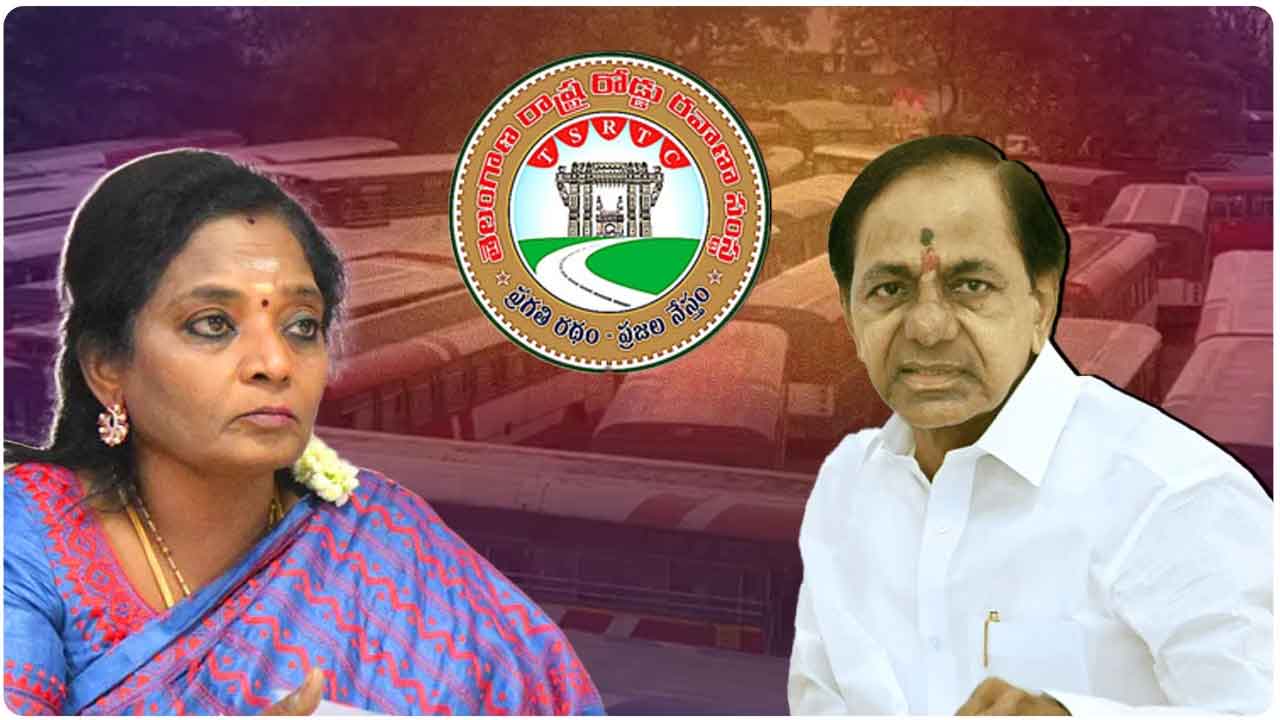
She approved the bill with 10 recommendations and asked the government to look into it.
The BRS government sent the TSRTC (Absorption of Employees into Government Service) Bill to the Governor on Wednesday, 2 August, seeking her approval to table it in the Assembly during its brief, three-day session which ended on Saturday.
The Telangana Cabinet on 31 July decided to take about 43,373 TSRTC employees on government rolls.
Soudararajan withheld approval, sparking protests by the TSRTC employees across the state, with those in Hyderabad staging a march to the Raj Bhavan, her official residence.
Governor Soudararajan on Saturday assured union leaders that she would approve the Bill to take them on government rolls as soon as she received clarifications to questions she had raised on the proposed legislation.
The Telangana Cabinet had, on 31 July, decided to take about 43,373 TSRTC employees on government rolls.
Approval with recommendations
The governor approved the bill with certain recommendations.She recommended that the ownership of the lands, assets, and properties of the TSRTC should vest with the Corporation itself for its sole and exclusive use, even after the absorption of RTC employees as government employees.The government should give an explicit undertaking to that effect.
She also recommended that the assets be finally divided, and the process completed between Telangana and Andhra Pradesh pursuant to the AP Reorganisation Act.
She also asks the government to clarify and assume the liability of clearing the arrears from the erstwhile APSRTC.
She asked that the emoluments of the RTC employees once absorbed as government employees be on the same scale as other state government employees following pay scales, service rules, and regulations vis-à-vis salary, transfers, promotions, retirement pensions, or provident funds, and other gratuities.